Cost Per Wear: The Financial Case for Premium Leather

You see a leather jacket you love. The price tag makes you pause. And then you do what most of us do you talk yourself into buying something cheaper instead. But here's the thing: that "cheaper" option often ends up costing you more. Not right away, but over time. The concept of cost per wear flips the way we think about spending on clothes, and it almost always favours real leather especially in Canada, where a jacket earns its keep from the September chill right through the spring thaw.
What Is Cost Per Wear?
Cost per wear is simple. You take the price of an item and divide it by the number of times you actually wear it. A jacket that costs C$60 and gets worn 10 times costs you C$6 per wear. A C$250 jacket you wear 250 times? That's C$1 per wear.
It's not about spending less it's about getting more value from what you spend. And when you look at your wardrobe this way, the pieces that seem "expensive" upfront are often your best deals.
The Math: Cheap vs. Premium
Let's put illustrative numbers side by side so you can see how this plays out:
| Factor | Faux/PU Leather Jacket | Real Leather Jacket |
|---|---|---|
| Typical Price | Budget range | Premium range (2–4x more upfront) |
| Expected Lifespan | 1 – 2 years | 10 – 20+ years |
| Wears Per Year | ~40 | ~60 |
| Total Wears | 40 – 80 | 600 – 1,200+ |
| Cost Per Wear | High every wear costs several times more | Low often pennies per wear over its life |
| Replacement Cost (10 yrs) | 5–10 replacement jackets | $0 (still wearing it) |
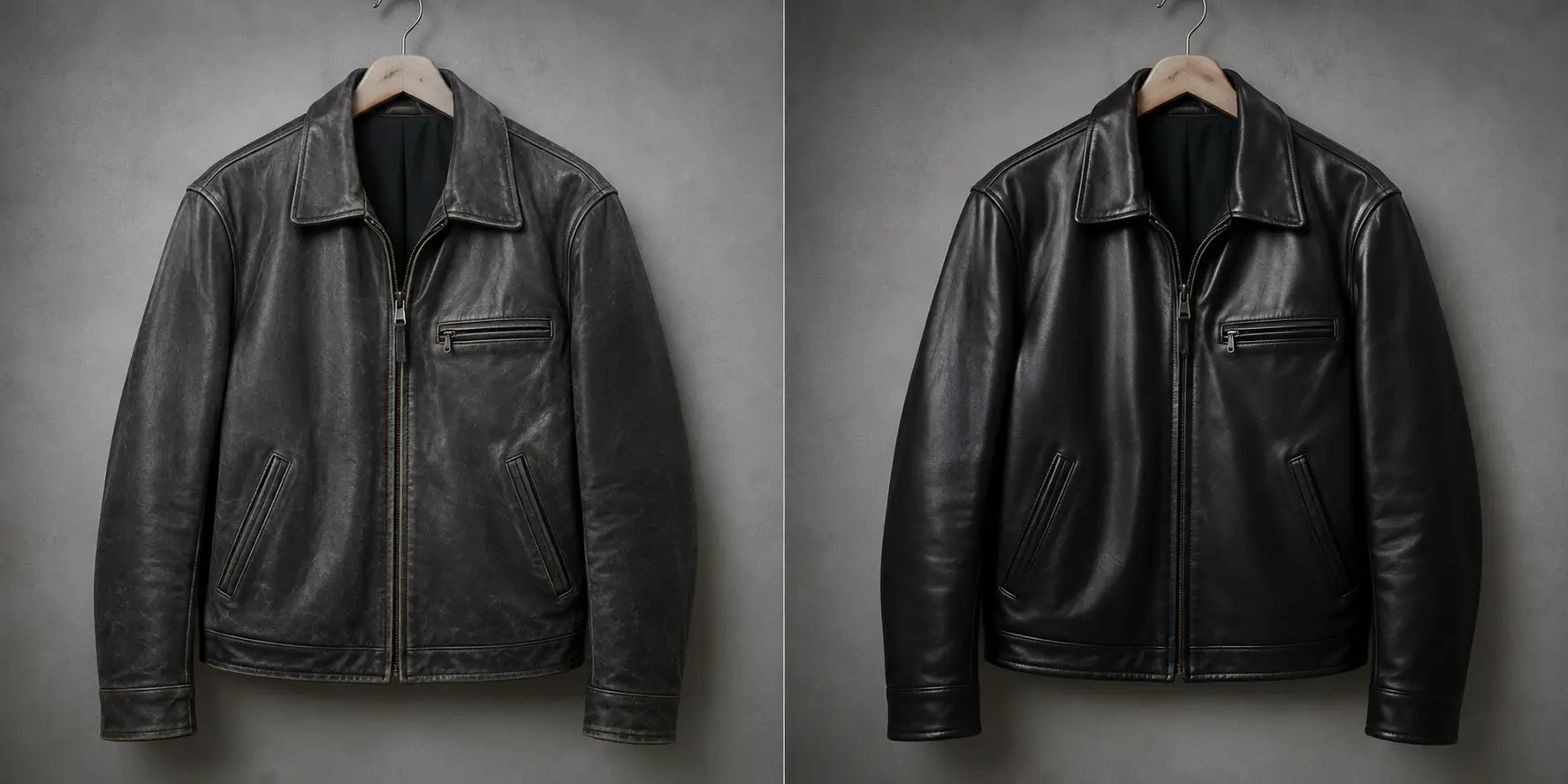
That faux leather jacket peels, cracks, and ends up in a landfill within a couple of seasons Canadian winters are brutal on synthetics. The real leather jacket? It's still in your closet, looking better with age. Over a decade, the "budget" choice can cost you three to five times more in replacements alone.
Why Real Leather Wins This Equation

Real leather isn't just a material it's an investment that pays you back in wears. Here's why it outperforms synthetic alternatives over time:
- It lasts decades, not seasons. A well-made genuine leather jacket can last 20 years or more with basic care. PU leather starts cracking within months.
- It gets better with age. Leather develops a natural patina that makes it look richer over time. Synthetics just look worn out.
- It holds its shape. Real leather moulds to your body without sagging or losing structure.
- It's more comfortable. Genuine leather breathes better, feels softer on the skin, and adapts to temperature from a crisp Toronto October to a mild Vancouver December something synthetic materials simply can't do.
This is exactly why customers who switch to real leather rarely go back. Once you feel the difference, the value becomes obvious.
The Hidden Costs of Going Cheap

The sticker price of a cheap jacket is only part of the story. There are costs you don't see at checkout:
- Replacement frequency. If you're buying a new faux leather jacket every year or two, those budget purchases add up fast.
- Wasted time shopping. Searching for yet another replacement jacket means more time spent browsing, comparing, and second-guessing.
- Environmental impact. Fast fashion generates massive waste. Choosing sustainable, long-lasting materials is a smarter move for your wallet and the planet.
- The "it looks off" factor. Faux leather has a plastic-like sheen that's hard to ignore. It doesn't drape, move, or age the way real leather does.
How to Buy Smart (Not Just Expensive)
Spending more doesn't automatically mean spending wisely. A premium price tag only makes sense when the quality backs it up. Here's what to look for:
- Check the leather type. Lambskin offers softness and style, while cowhide delivers rugged durability. Both are excellent it depends on your preference.
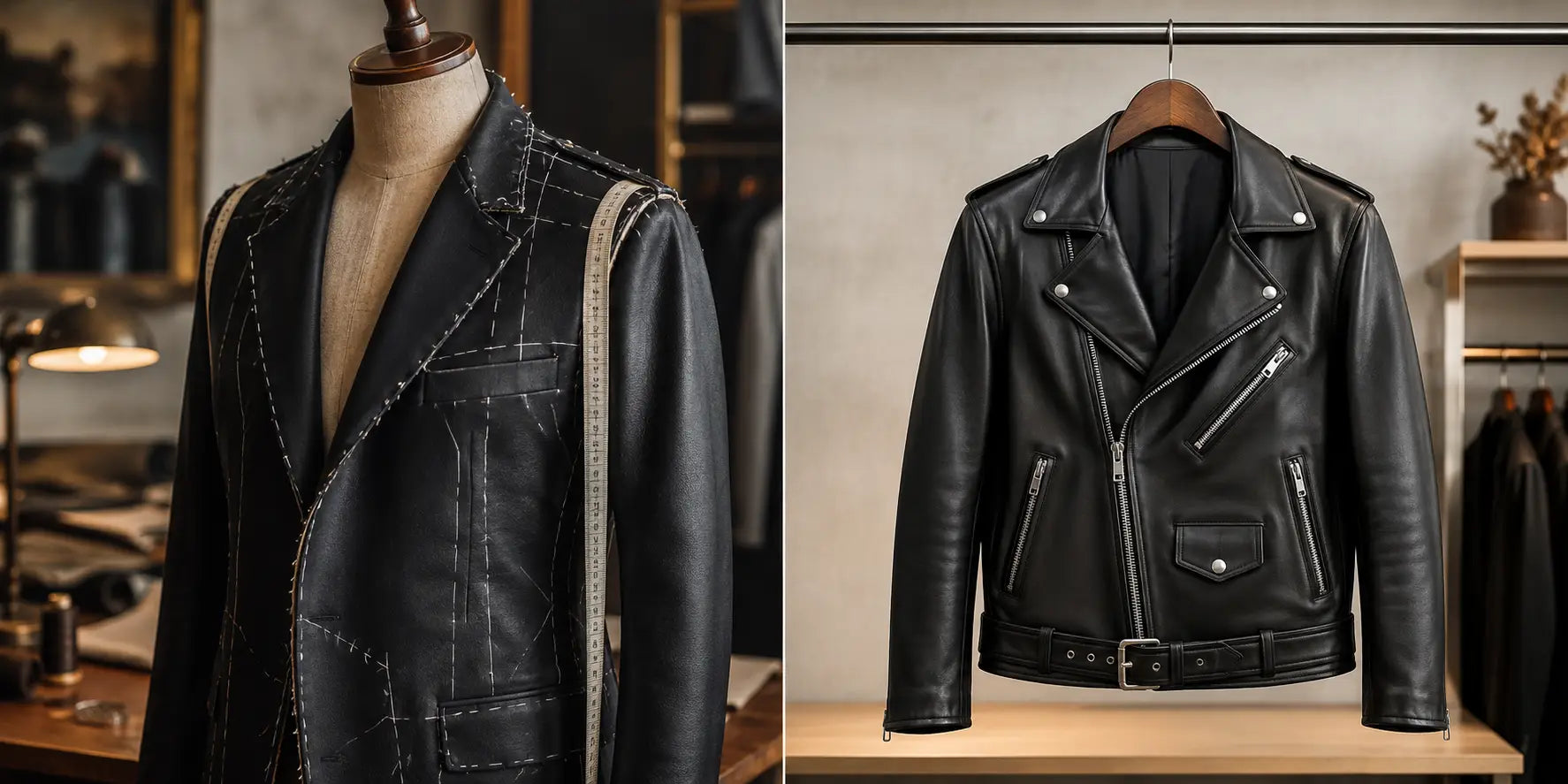
- Look at construction. Quality stitching, solid zippers, and a clean interior lining are signs that a jacket is built to last.
- Know your size. A jacket that fits well gets worn more often. If you're unsure, measure yourself properly before ordering.
- Read real reviews. Customer feedback tells you what the product photos can't how the jacket actually feels, fits, and holds up over time.
- Consider care. A little maintenance goes a long way. Basic leather care conditioning once or twice a year, wiping off winter salt promptly keeps your jacket looking fresh for years without much effort.
The sweet spot is finding a brand that offers real leather at a fair price, without the designer markup. That's where the cost-per-wear math really works in your favour.
Frequently Asked Questions
Is a premium leather jacket really worth it?
How long does a real leather jacket actually last?
Does cost per wear apply to other clothing?
What if I can't afford a premium jacket right now?
How do I take care of a leather jacket so it lasts?
The Bottom Line
A leather jacket isn't a splurge it's one of the smartest wardrobe investments you can make, especially somewhere it gets worn eight months of the year. When you break it down by cost per wear, premium leather doesn't just compete with budget alternatives it wins by a wide margin. You spend less over time, look better doing it, and never have to deal with peeling, cracking, or replacing a worn-out jacket every other year.
If you've been on the fence, run the numbers for yourself. The math doesn't lie. Start with our men's leather jackets and women's leather jackets free shipping across Canada.